The Evolution of Payment Gateways: From Traditional to Digital
November 25,
17:35 PM
The way we transact has undergone a dramatic transformation, particularly in recent decades. From the days of cash registers to the modern era of digital wallets, the evolution of payment gateways has been a key driver of this change.
The Early Days: Mechanical Payment Systems
Before the advent of electronic payments, businesses relied on mechanical payment systems like cash registers. These devices, while efficient for their time, were limited in their capabilities. They could only process cash and checks, and any errors or discrepancies often led to time-consuming manual adjustments.
The Rise of Credit Cards
The introduction of credit cards in the mid-20th century marked a significant milestone in the evolution of payment systems. These plastic cards, backed by financial institutions, allowed customers to make purchases without carrying large amounts of cash. However, processing credit card payments was a complex and time-consuming process that involved manual authorization and settlement.
The Birth of Electronic Payment Gateways
To streamline the credit card payment process, electronic payment gateways emerged in the 1990s. These systems enabled businesses to securely transmit credit card information to acquiring banks for authorization and settlement. This automated process significantly reduced the time and effort required to process payments.
The Internet Age and E-commerce
The rise of the internet in the late 20th century revolutionized the way businesses operate. E-commerce platforms emerged, allowing businesses to sell products and services online. To facilitate online transactions, payment gateways evolved to accommodate digital payments. These gateways integrated with e-commerce platforms to provide a seamless checkout experience for customers.
The Mobile Revolution
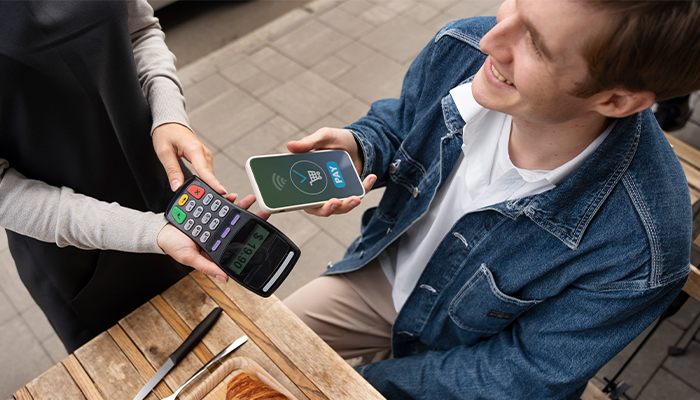
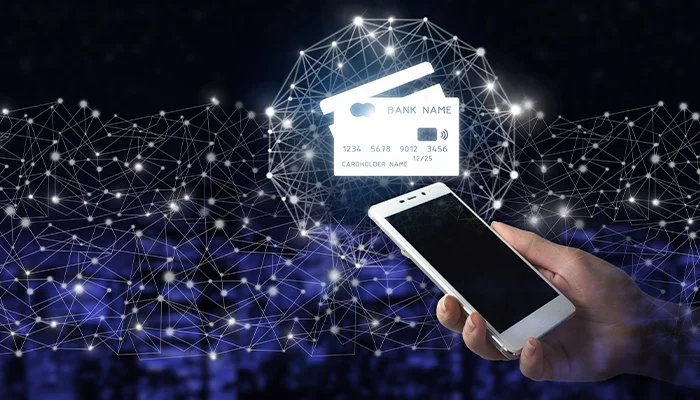
The proliferation of smartphones and mobile internet has further accelerated the evolution of payment gateways. Mobile payment solutions, such as mobile wallets and mobile point-of-sale (mPOS) systems, have gained immense popularity. These solutions enable customers to make payments using their mobile devices, eliminating the need for physical cards or cash.
Emerging Trends in Payment Gateways
Several emerging trends are shaping the future of payment gateways:
- Biometric Authentication: Biometric authentication, such as fingerprint and facial recognition, offers enhanced security for online transactions.
- Blockchain Technology: Blockchain technology has the potential to revolutionize the payment industry by providing secure, transparent, and decentralized payment solutions.
- Artificial Intelligence and Machine Learning: AI and ML can be used to detect and prevent fraud, personalize customer experiences, and optimize payment processes.
- Internet of Things (IoT) Payments: IoT devices can be integrated with payment gateways to enable seamless transactions, such as paying for parking or ordering food through smart devices.
The Impact of Payment Gateways on Businesses
Payment gateways have had a profound impact on businesses of all sizes. By streamlining payment processes, reducing costs, and improving customer experiences, payment gateways have enabled businesses to grow and thrive in the digital age.
Key Benefits of Payment Gateways:
- Increased Sales: Payment gateways can help businesses increase sales by providing a convenient and secure checkout experience.
- Improved Customer Satisfaction: By offering a variety of payment options and a seamless checkout process, businesses can enhance customer satisfaction.
- Reduced Costs: Payment gateways can reduce the costs associated with processing payments, such as manual labor and transaction fees.
- Enhanced Security: Advanced security features, such as encryption and fraud prevention tools, can help protect businesses and customers from cyber threats.
- Global Reach: Payment gateways can enable businesses to accept payments from customers around the world, expanding their market reach.
As technology continues to advance, we can expect to see even more innovative payment solutions emerge. By staying up-to-date with the latest trends, businesses can leverage the power of payment gateways to drive growth and success.